
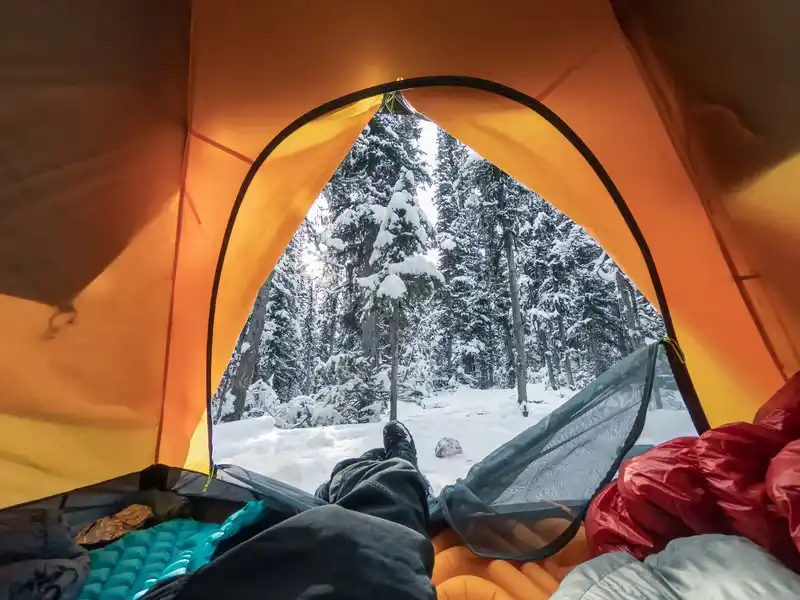
Hammock camping presents a unique way to experience the great outdoors, offering a sense of freedom and connection with nature that traditional tent camping sometimes lacks. However, when the temperatures drop, staying warm becomes a significant concern for hammock campers. Understanding how to keep warm while hammock camping in cold weather can transform your outdoor experience from uncomfortable to cozy, allowing you to enjoy the beauty of winter landscapes. This guide will explore effective strategies to ensure you remain warm and comfortable during your cold-weather hammock adventure.
Introduction to Hammock Camping in Cold Weather
The Appeal of Hammock Camping
Hammock camping has surged in popularity due to its lightweight setup and the comfort it provides. Unlike traditional tents, hammocks allow you to sleep above the ground, away from uneven terrain, and are relatively easy to set up and pack away. The gentle sway of a hammock can also enhance relaxation, making it an appealing option for those who want to enjoy nature’s serenity. Hammocks are particularly enticing in warmer months, but many outdoor enthusiasts are curious about how to adapt this practice for colder conditions.
Challenges of Cold Weather Camping
Cold weather camping poses unique challenges. The risk of hypothermia, frostbite, and uncomfortable sleeping conditions can deter even the most seasoned campers from venturing out. Traditional tents often provide some insulation against the cold, while hammocks require additional considerations to maintain warmth. Understanding these challenges is the first step toward successfully navigating cold weather while hammock camping.
Essential Gear for Staying Warm
Choosing the Right Hammock
Selecting the right hammock is crucial for staying warm in cold weather. Look for hammocks designed for cold conditions with a sufficient weight rating and durable fabric. A double-layer hammock can provide added insulation as you can insert an insulating material between the layers. Additionally, ensure your hammock has the appropriate length to accommodate your height while allowing for comfortable sleeping positions.
Insulation Options for Cold Weather
Insulation is key to staying warm in a hammock. Underquilts are an excellent choice for cold-weather hammock camping, as they provide insulation underneath you where you lose the most heat. They hang beneath your hammock and trap warmth, preventing the cold air from seeping in. Additionally, sleeping pads can be used in conjunction with your underquilt for extra insulation. Remember that the colder the temperature, the more insulation you’ll need to stay warm through the night.
Sleeping Bags and Liners
Choosing the right sleeping bag is essential for hammock camping in colder climates. Look for sleeping bags rated for temperatures below what you expect to encounter. A sleeping bag liner can also enhance insulation and provide extra warmth. When combined with your hammock insulation, a sleeping bag can create a cozy cocoon that keeps you warm throughout the night.
Clothing Strategies for Cold Hammock Camping
Layering Techniques for Maximum Warmth
Layering is essential when it comes to clothing for cold-weather camping. Start with a moisture-wicking base layer to keep sweat away from your skin. A middle layer, such as fleece or down, provides insulation, while an outer layer should protect against wind and moisture. This combination allows you to adjust your clothing according to activity levels and temperature changes, ensuring that you remain comfortable throughout your adventure.
Fabrics to Keep You Warm and Dry
Choosing the right fabrics is critical for staying warm and dry. Avoid cotton, as it absorbs moisture and loses its insulating properties when wet. Instead, opt for materials like merino wool or synthetic fibers that retain heat even when damp. These fabrics provide warmth while wicking away moisture, keeping you comfortable during your hammock camping experience.
Utilizing Heat Sources
Using Hot Water Bottles
One effective method for staying warm in your hammock is to utilize hot water bottles. Fill a durable, leak-proof bottle with hot water before bed and place it at your feet or against your body for added warmth. This simple trick can help create a cozy sleeping environment, making it easier to fall asleep even when temperatures drop.
Portable Heating Solutions
For those who need a little extra warmth, portable camping heaters can provide comfort in cold weather. Look for safe, compact options designed for outdoor use. Always ensure proper ventilation when using any heating device to prevent carbon monoxide buildup. It’s essential to prioritize safety while enjoying the warmth these heaters can provide.
Setting Up Your Hammock for Warmth
Positioning Your Hammock
The way you position your hammock can significantly affect your warmth during cold weather. Hanging your hammock lower to the ground can help retain heat, as cold air typically sinks. Additionally, positioning your hammock in a sunny spot during the day can help warm the fabric, making it more comfortable when you settle in for the night.
Using Tarp and Rainfly Effectively
A tarp or rainfly is essential for keeping your hammock dry and protecting you from the elements. In cold weather, this setup can also help trap heat. Position your tarp close to your hammock to create a small air pocket that holds warmth. Ensure it’s taut and low enough to keep out wind and rain, while also allowing for ventilation to prevent condensation buildup.
Staying Comfortable During the Night
Keeping Your Sleeping Area Warm
To enhance warmth in your sleeping area, make sure to use a sleeping pad along with your sleeping bag and underquilt. This additional layer creates a barrier between you and the cold air, further insulating your body. Use extra blankets or clothing to fill any gaps in your setup, ensuring that no cold air can seep in.
Preventing Drafts and Heat Loss
Drafts can easily make a cold night unbearable. To prevent drafts, ensure your underquilt is snug against your hammock and check for any gaps where cold air might enter. Additionally, wear a beanie or hat to retain heat from your head, as a significant amount of body heat escapes through this area. Keeping all zippers closed on your sleeping bag will also help prevent heat loss.
Expert Tips for a Successful Cold-Weather Hammock Trip
Planning Your Trip and Choosing the Right Location
Planning is essential for a successful cold-weather hammock camping trip. Choose a location that offers natural windbreaks, such as trees or hills, to shield you from harsh winds. Research the weather conditions in advance and be prepared for sudden temperature drops. Knowing your surroundings will help you make informed decisions about your gear and setup.
Importance of Weather Awareness
Being aware of the weather is critical when hammock camping in cold conditions. Monitor forecasts and be prepared for changes throughout your trip. Check for wind chill factors and precipitation that may affect your comfort and safety. If conditions become too severe, be willing to adapt your plans or seek shelter to ensure your safety.
Frequently Asked Questions
Can I hammock camp in winter conditions?
Yes, you can hammock camp in winter conditions with the right gear and preparation. Insulation, warm clothing, and proper setup are essential for staying comfortable and safe.
What temperature is too cold for hammock camping?
While hammock camping can be done in temperatures as low as 20°F (-6°C) with adequate insulation, it is essential to assess your own comfort levels and gear capabilities before embarking on a winter trip.
How can I make my hammock more comfortable in cold weather?
To enhance comfort in cold weather, ensure you have adequate insulation, wear suitable clothing layers, and use sleeping pads or underquilts. Proper positioning and setup will also help retain heat and minimize discomfort.